An evaluation method and its application on land resource carrying capacity based on human exploitation and settlement patterns
Received date: 2024-04-02
Revised date: 2024-08-27
Online published: 2025-03-10
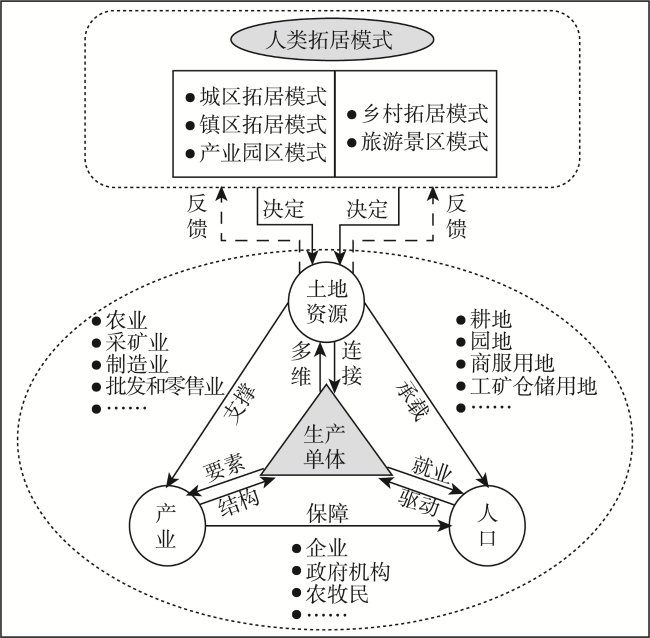
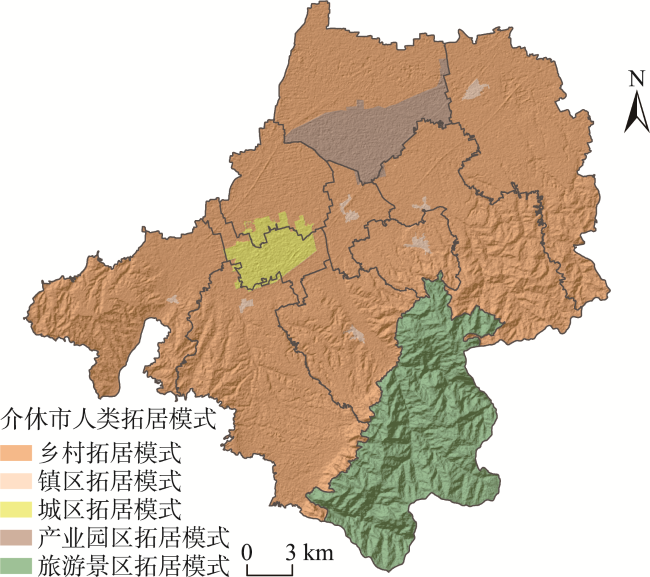
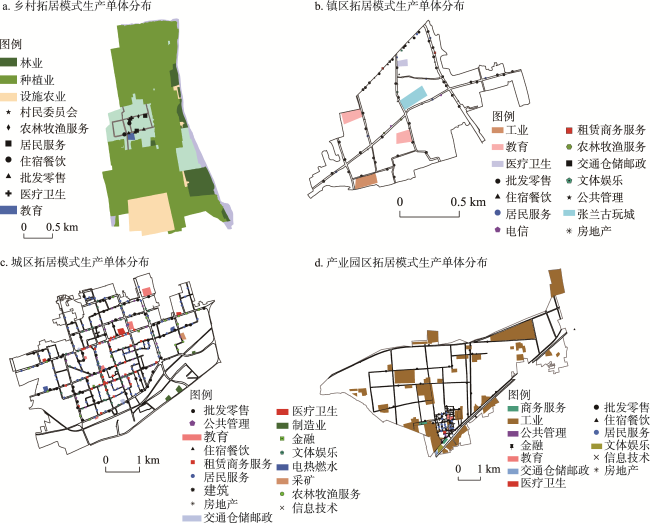
[Objective] This study aimed to propose an systematic evaluation method of land resource carrying capacity based on human exploitation and settlement patterns, to provide a reference for the improvement of the evaluation technical standard system of various individual factors and comprehensive carrying capacity in China’s territorial spatial planning. [Methods] By putting forward the new concepts and indicators of the human exploitation and settlement patterns, production monomer, productive construction land parameter and employment density parameter, this study revealed the micro-quantitative connection relationship between human production activities and land resources. It then constructed the linkage equation of land resource carrying capacity.Therefore, this study proposed the evaluation method of land resource carrying capacity based on human exploitation and settlement patterns for the first time, and carried out an empirical study with Jiexiu City in Shanxi Province as an example. [Results] (1) The evaluation method proposed in this study divided human exploitation and settlement patterns into five types, including rural, town, urban, industrial park and scenic spot patterns. It refined and supplemented the division of three-type space of the double evaluation. This method took production monomer as the starting point, comprehensively considered the internal structural relationship among land resources, industry and population, established linkage equation, and further enriched the thinking and method system of multi-factor comprehensive integration and classification evaluation of land resource carrying capacity. (2) A total of 238118 people could be reasonably employed in Jiexiu City. The rural and urban patterns were the main force to absorb employment. The land resource carrying capacity was 426652 people in Jiexiu City, which was in the state of human-land balance. The rural and town exploitation and settlement patterns were in the state of overload, and the urban and industrial park patterns were in the state of balance and surplus respectively. The industrial park pattern still had large carrying potential, which was related to the low efficiency of land use and the low level of intensive and efficient industrial development. Through the development of non-agricultural characteristic industries such as rural tourism, homestays and catering, the rural pattern will remain to be an important carrier of industrial agglomeration and population distribution in the future. [Conclusion] The evaluation method of land resource carrying capacity based on human exploitation and settlement patterns is scientific and useful, and can effectively reflect the differences of land use structure, labor employment and population carrying capacity in different functional spaces. The evaluation of land resource carrying capacity, and the evaluation results can provide beneficial supplements for the evaluation of land resource population carrying capacity in territorial spatial planning.
XU Xiaoren , ZHANG Xiaofang , XU Yong , WANG Liang , DUAN Jian . An evaluation method and its application on land resource carrying capacity based on human exploitation and settlement patterns[J]. Resources Science, 2025 , 47(2) : 344 -358 . DOI: 10.18402/resci.2025.02.10
表1 人类生产活动与土地资源之间的量化连接表Table 1 Quantitative connection between human production activities and land resources |
| 一级地类 | 二级地类 | 生产单体类型 | 国民经济行业大类 | 多维参数 |
|---|---|---|---|---|
| 耕地 | 水田 | 种植水稻等水生农作物的农民 | 农业 | 种植面积、种植工时、产值、收入等 |
| 水浇地 | 种植旱生农作物且能正常灌溉的农民 | |||
| 旱地 | 种植旱生农作物但不灌溉的农民 | |||
| 园地 | 果园 | 种植果树的农民 | 人均种植面积、收入等 | |
| 茶园 | 种植茶树的农民 | |||
| 其他园地 | 种植中药材、咖啡等其他作物的农民 | |||
| 林地 | 其他林地 | 林木育苗与管理的农民 | 林业 | 人均育苗面积、收入等 |
| 草地 | 天然牧草地 | 饲养牲畜的牧民 | 畜牧业 | 单体面积、合理载畜量、人均放养量、产值等 |
| 人工牧草地 | 饲养牲畜的牧民 | |||
| 其他草地 | 饲养牲畜的牧民 | |||
| 工矿仓储 用地 | 工业用地 | 制造类企业、建筑公司 | 制造、建筑业 | 单体面积、职工人数、收入、产值等 |
| 采矿用地 | 煤矿、石油、天然气、有色金属等采选公司 | 煤炭、石油和天然气和金属矿采选业 | ||
| 仓储用地 | 物流仓储、配送、转运中心 | 仓储业 | 单体面积、职工人数、收入等 | |
| 商服用地 | 批发零售用地 | 商场、商铺、超市、批发市场、加油站等 | 批发业、零售业 | 单体面积、职工人数、收入等 |
| 住宿餐饮用地 | 宾馆、酒店、饭店、招待所、餐厅、酒吧等 | 住宿业、餐饮业 | ||
| 商务金融用地 | 信息技术、银行、律师事务所、公司总部以及保险、房产开发、物业等公司 | 互联网、软件和信息、金融、房地产、商务服务等行业 | ||
| 其他商服用地 | 理发店、照相馆、摄影店、维修网点等 | 居民服务与维修业、租赁业 | ||
| 公共管理 与公共服 务用地 | 机关团体用地 | 党政机关、社会团体、群众自治组织等 | 党政机关、社会保障等行业 | 单体面积、职工人数、收入等 |
| 新闻出版用地 | 广播电台、电视台、电影公司、报社、通讯社、出版社等 | 新闻业出版、广播、电视、电影等行业 | ||
| 科教用地 | 科研院所、幼儿园、中小学、高等院校、职业技术等学校 | 科学研究和技术服务等行业、教育 | ||
| 医卫慈善用地 | 医院、社区卫生中心、养老院、孤儿院等机构 | 卫生、社会工作 | ||
| 文体娱乐用地 | 图书馆、博物馆、体育馆、电影院、俱乐部等 | 文化艺术、体育、娱乐业 | ||
| 公共设施用地 | 邮政、电信、供电、供热、供气、供水、公用设施维修等机构与企业 | 邮政、电信、电力、热力、燃气等行业 | ||
| 公园与绿地 | 公园管理机构、自然保护区管委会 | 公园、保护区管理 | ||
| 风景名胜设施用地 | 风景名胜景区管理机构 | 游览景区管理 | ||
| 使领馆用地 | 外国政府及国际组织驻华使领馆、办事处等 | 国际组织 | ||
| 监教场所用地 | 监狱、看守所、劳改场、劳教所、戒毒所等 | 国家机构 | ||
| 宗教用地 | 庙宇、寺院、道观、教堂等 | 宗教组织 | ||
| 交通运输 用地 | 铁路用地 | 火车站 | 铁路运输业 | 单体面积、职工人数、收入等 |
| 公路用地 | 汽车站、公交、出租车等企业 | 道路运输业 | ||
| 街巷用地 | 汽车站、公交、出租车等企业 | 道路运输业 | ||
| 机场用地 | 机场 | 航空运输业 | ||
| 港口码头用地 | 港口码头 | 装卸搬运、水上运输业 | ||
| 管道运输用地 | 管道运输公司 | 管道运输业 | ||
| 水域及水利设施用地 | 河流水面 | 水产养殖的渔民 | 渔业 | 单体面积、人均养殖面积、收入、产值等 |
| 湖泊水面 | 水产养殖的渔民 | 渔业 | ||
| 水库水面 | 水产养殖的渔民 | 渔业 | ||
| 坑塘水面 | 水产养殖的渔民 | 渔业 | ||
| 沿海滩涂 | 水产养殖的渔民 | 渔业 | ||
| 内陆滩涂 | 水产养殖的渔民 | 渔业 | ||
| 其他土地 | 设施农用地 | 饲养畜禽、种植温室大棚等农民、企业 | 畜牧业、农业 | 人均养殖或种植面积、收入、产值等 |
注:由于有林地、空闲地等二级地类无对应生产单体,故表中未列出相应地类。 |
表2 介休市生产性建设用地参数Table 2 Productive construction land parameters in Jiexiu City |
| 一级地类 | 二级地类 | 生产性建设用地参数/% | |||
|---|---|---|---|---|---|
| 乡村拓居模式 | 镇区拓居模式 | 城区拓居模式 | 产业园区拓居模式 | ||
| 工矿仓储用地 | 工业用地 | 1.86 | 6.28 | 3.52 | 44.03 |
| 商服用地 | 批发零售用地 | 0.20 | 0.74 | 0.82 | 0.13 |
| 住宿餐饮用地 | 0.05 | 0.20 | 0.30 | 0.06 | |
| 商务金融用地 | — | 0.03 | 1.18 | 0.63 | |
| 其他商服用地 | 0.03 | 0.19 | 0.15 | 0.03 | |
| 公共管理与公共服务用地 | 机关团体用地 | 0.24 | 1.53 | 1.15 | 0.79 |
| 新闻出版用地 | — | — | 0.03 | — | |
| 科教用地 | 1.25 | 5.80 | 10.07 | 1.43 | |
| 医卫慈善用地 | 0.03 | 0.80 | 2.41 | 0.37 | |
| 文体娱乐用地 | 0.01 | 0.14 | 1.46 | 0.73 | |
| 公共设施用地 | — | 0.04 | 0.07 | 0.02 | |
| 公园与绿地 | — | — | 4.72 | — | |
| 交通运输用地 | 铁路用地、公路用地、街巷用地等 | 4.76 | 5.85 | 27.06 | 5.19 |
注:表中“—”代表某类拓居模式无此类用地,下同。部分建设用地除用于生产活动外,居民居住也是重要用途,各类拓居模式内部居住用地参数与生产性建设用地参数合计100%。 |
表3 介休市农作物种植所耗工时量及耕地就业密度参数Table 3 Days consumed by crop planting and employment density parameters of cultivated land in Jiexiu City |
| 地形类型 | 土地利用类型 | 农作物种植工时/(天/亩) | 耕地就业密度 参数/(人/hm2) | ||||
|---|---|---|---|---|---|---|---|
| 翻地 | 播种 | 日常管理 | 收割与后续管理 | 合计 | |||
| 平原 | 水浇地 | 0.5 | 0.50 | 9.0 | 2.5 | 12.50 | 1.10 |
| 旱地 | 0.5 | 0.50 | 8.0 | 2.5 | 11.50 | 1.01 | |
| 丘陵 | 水浇地 | 0.5 | 0.75 | 10.0 | 3.5 | 14.75 | 1.30 |
| 旱地 | 0.5 | 0.75 | 9.5 | 3.5 | 14.25 | 1.26 | |
| 山地 | 旱地 | 1.0 | 1.00 | 12.0 | 4.5 | 18.50 | 1.63 |
表4 介休市生产性建设用地就业密度参数Table 4 Employment density parameters of productive construction land in Jiexiu City |
| 一级地类 | 二级地类 | 生产性建设用地就业密度参数/(人/hm2) | |||
|---|---|---|---|---|---|
| 乡村拓居模式 | 镇区拓居模式 | 城区拓居模式 | 产业园区拓居模式 | ||
| 工矿仓储用地 | 工业用地、采矿用地 | 40 | 53 | 149 | 50 |
| 商服用地 | 批发零售用地 | 340 | 717 | 1341 | 905 |
| 住宿餐饮用地 | 290 | 891 | 1436 | 1093 | |
| 商务金融用地 | — | 909 | 996 | 490 | |
| 其他商服用地 | 490 | 855 | 1513 | 1083 | |
| 公共管理与公共服务用地 | 机关团体用地 | 260 | 130 | 575 | 97 |
| 新闻出版用地 | — | — | 212 | — | |
| 科教用地 | 22 | 40 | 60 | 35 | |
| 医卫慈善用地 | 230 | 121 | 145 | 92 | |
| 文体娱乐用地 | 400 | 426 | 65 | 24 | |
| 公共设施用地 | — | 884 | 1535 | 569 | |
| 公园与绿地 | — | — | 6 | — | |
| 交通运输用地 | 铁路用地、公路用地、街巷用地等 | 1.53 | |||
表5 介休市生产用地面积与适度就业人口Table 5 Production land area and moderate employment in Jiexiu City |
| 一级地类 | 二级地类 | 乡村拓居模式 | 镇区拓居模式 | 城区拓居模式 | 产业园区拓居模式 | |||||||
|---|---|---|---|---|---|---|---|---|---|---|---|---|
| 面积/hm2 | 适度就业 人口/人 | 面积/hm2 | 适度就业 人口/人 | 面积/hm2 | 适度就业 人口/人 | 面积/hm2 | 适度就业 人口/人 | |||||
| 耕地 | 水浇地、旱地 | 27744.89 | 33605 | 12.05 | — | 158.19 | — | 1626.93 | — | |||
| 园地 | 果园、茶园、其他园地 | 1628.75 | 2715 | — | — | 2.00 | — | 25.45 | — | |||
| 其他土地 | 设施农用地 | 246.81 | 3606 | — | — | 3.00 | — | 9.90 | — | |||
| 工矿仓储用地 | 工业用地 | 112.21 | 4488 | 28.77 | 1525 | 59.49 | 8865 | 575.96 | 28798 | |||
| 采矿用地 | 992.26 | 42667 | — | — | — | — | — | — | ||||
| 商服用地 | 批发零售用地 | 12.10 | 4113 | 3.41 | 2446 | 13.91 | 18654 | 1.77 | 1598 | |||
| 住宿餐饮用地 | 3.27 | 947 | 0.92 | 817 | 5.07 | 7281 | 0.73 | 801 | ||||
| 商务金融用地 | — | — | 0.14 | 129 | 19.93 | 19848 | 8.20 | 4019 | ||||
| 其他商服用地 | 1.45 | 711 | 0.89 | 760 | 2.54 | 3836 | 0.38 | 411 | ||||
| 公共管理与公共服务用地 | 机关团体用地 | 14.52 | 3774 | 7.02 | 913 | 19.45 | 11186 | 10.30 | 999 | |||
| 新闻出版用地 | — | — | — | — | 0.60 | 127 | — | — | ||||
| 科教用地 | 75.61 | 1663 | 26.54 | 1062 | 170.17 | 10210 | 18.65 | 653 | ||||
| 医卫慈善用地 | 2.00 | 459 | 3.67 | 444 | 40.70 | 5901 | 4.89 | 450 | ||||
| 文体娱乐用地 | 0.54 | 218 | 0.66 | 279 | 24.64 | 1602 | 9.54 | 229 | ||||
| 公共设施用地 | — | — | 0.16 | 142 | 1.11 | 1698 | 0.33 | 186 | ||||
| 公园与绿地 | — | — | — | — | 79.79 | 479 | — | — | ||||
| 交通运输用地 | 铁路用地、公路用地、街巷用地等 | 1118.82 | 1712 | 40.07 | 61 | 483.46 | 740 | 190.53 | 291 | |||
| 合计 | 31953.23 | 100678 | 124.30 | 8578 | 1084.00 | 90427 | 2483.56 | 38435 | ||||
表6 介休市土地资源承载力Table 6 Land resource carrying capacity in Jiexiu City |
| 人口数量 | 介休市 | 乡村拓居模式 | 镇区拓居模式 | 城区拓居模式 | 产业园区模式 |
|---|---|---|---|---|---|
| 土地资源承载力/人 | 426652 | 191288 | 16298 | 153726 | 65340 |
| 实际人口数量/人 | 423022 | 226865 | 22416 | 149313 | 24428 |
| 超载人口数量/人 | -3630 | 35577 | 6118 | -4413 | -40912 |
注:基于2017年人口数据计算。 |
| [1] |
|
| [2] |
王亚飞, 樊杰. 资源环境承载能力百年研究的系统综述[J]. 地理学报, 2023, 78(11): 2676-2693.
[
|
| [3] |
|
| [4] |
|
| [5] |
|
| [6] |
杨帆, 席广亮, 甄峰, 等. “形流融合”视角的国土空间开发适宜性评价: 以南京都市圈为例[J]. 资源科学, 2023, 45(12): 2372-2384.
[
|
| [7] |
徐牧天, 鲍超. 资源环境承载力弹性区间测度与未来情景分析: 以兰西城市群为例[J]. 资源科学, 2023, 45(10): 1961-1976.
[
|
| [8] |
樊杰. “健全主体功能区制度体系”的经济地理学讨论[J]. 经济地理, 2024, 44(8): 1-7.
[
|
| [9] |
孙久文, 邢晓旭. 国土空间体系和区域经济布局的协同路径和优化方向[J]. 经济学家, 2023, (8): 54-64.
[
|
| [10] |
|
| [11] |
毛汉英, 余丹林. 环渤海地区区域承载力研究[J]. 地理学报, 2001, 56(3): 363-371.
[
|
| [12] |
威廉·福格特. 生存之路[M]. 张子美, 译. 北京: 商务印书馆, 1981.
[
|
| [13] |
|
| [14] |
牛方曲, 封志明, 刘慧. 资源环境承载力评价方法回顾与展望[J]. 资源科学, 2018, 40(4): 655-663.
[
|
| [15] |
|
| [16] |
|
| [17] |
FAO. Potential Population Supporting Capacities of Lands in the Developing World[R]. Rome: Food and Agriculture Organization, 1982.
|
| [18] |
|
| [19] |
|
| [20] |
|
| [21] |
|
| [22] |
|
| [23] |
陈百明. 中国农业资源综合生产能力与人口承载力[M]. 北京: 气象出版社, 2001.
[
|
| [24] |
谢高地, 周海林, 鲁春霞, 等. 我国自然资源的承载力分析[J]. 中国人口·资源与环境, 2005, (5): 97-102.
[
|
| [25] |
|
| [26] |
郝庆, 封志明, 杨艳昭, 等. 西藏土地资源承载力的现实与未来: 基于膳食营养当量分析[J]. 自然资源学报, 2019, 34(5): 911-920.
[
|
| [27] |
邵晓梅, 张洪业. 鲁西北地区现状农业土地资源劳动力承载力模拟[J]. 自然资源学报, 2004, 19(3): 324-330.
[
|
| [28] |
张超, 杨艳昭, 封志明, 等. 基于人粮关系的“一带一路”沿线国家土地资源承载力时空格局研究[J]. 自然资源学报, 2022, 37(3): 616-626.
[
|
| [29] |
孔祥媛, 汪洋, 李帆, 等. 基于主导因素约束的典型西南山地乡村土地资源承载力研究[J]. 农业资源与环境学报, 2025, 42(1): 22-32.
[
|
| [30] |
|
| [31] |
|
| [32] |
封志明, 游珍, 杨艳昭, 等. 基于三维四面体模型的西藏资源环境承载力综合评价[J]. 地理学报, 2021, 76(3): 645-662.
[
|
| [33] |
段学军, 王雅竹, 康珈瑜, 等. 村镇建设资源环境承载力的理论基础与测算体系[J]. 资源科学, 2020, 42 (7): 1236-1248.
[
|
| [34] |
张荣天, 张小林, 尹鹏. 长江经济带市域土地资源承载力时空分异与影响因素探析[J]. 经济地理, 2022, 42(5): 185-192.
[
|
| [35] |
肖宜, 区宇琦, 曲晓阳, 等. 城市圈区域承载力时空演变分析: 以武汉城市圈为例[J]. 武汉大学学报(工学版), 2021, 54(8): 675-686.
[
|
| [36] |
靳相木, 李陈. 土地承载力研究范式的变迁, 分化及其综论[J]. 自然资源学报, 2018, 33(3): 526-540.
[
|
| [37] |
郑皓洋, 黄颖利. 基于开放三维生态足迹的中国黑土区耕地可持续利用分析与评价[J]. 资源科学, 2024, 46(5): 1018-1031.
[
|
| [38] |
岳文泽, 吴桐, 王田雨, 等. 面向国土空间规划的“双评价”: 挑战与应对[J]. 自然资源学报, 2020, 35(10): 2299-2310.
[
|
| [39] |
潘瑜鑫, 杨忍, 林元城. 中国农业生产空间资源环境承载力和适宜性演化及其耦合机制[J]. 中国土地科学, 2023, 37(1): 20-31.
[
|
| [40] |
卢宾宾, 田小溪, 秦思娴, 等. 基于地理加权建模技术的武汉市土地资源承载力评价研究[J/OL]. 武汉大学学报(信息科学版), 2024-01-22) [2024-06-11]. https://doi.org/10.13203/j.whugis20
[
|
| [41] |
王志理, 王如松. 中国流动人口带眷系数及其影响因素[J]. 人口与经济, 2011, (6): 9-16.
[
|
/
| 〈 |
|
〉 |