Evolution of China’s ecological compensation and future policy orientation:Analysis based on the Institutional Analysis and Development (IAD) framework
Received date: 2023-11-30
Revised date: 2024-01-02
Online published: 2024-07-22
[Objective] This study aimed to clarify the evolutionary trends of China’s ecological compensation mechanism and to further promote the construction of ecological civilization and a beautiful China. [Methods] From the perspective of institutional change, the study employed the Institutional Analysis and Development (IAD) framework to track, examine, and deconstruct policy changes about China’s ecological compensation mechanism from 1978 to 2023. [Results] The study found that: (1) From the perspective of institutional change, the evolution of the ecological compensation mechanism has experienced three stages—an exploratory stage of “polluters pay”, a formative stage of “beneficiaries pay”, and a refinement stage of “beneficiaries pay, protectors compensated”. The government has always been the primary participant in the ecological protection actions, dominating the direction of ecological compensation mechanism changes. (2) In terms of the internal logic of the institutional change, government leadership, clarifying the rights-responsibilities-benefits of the entities, transitioning from separate management to integrated management, and the marketization of ecological compensation are the main features and inherent pattern of China’s ecological compensation mechanism changes. [Conclusion] We should focus on four aspects to improve the ecological compensation system: improving the property rights system of natural resource assets and the management system of national territorial space of natural resources, forming a diversified and market-oriented ecological compensation method led by the government and participated by all parties, establishing a digital driven investigation and monitoring system of ecological resource protection and utilization, and forming a closed-loop mechanism of transforming lucid waters and lush mountains into mountains of gold and silver and then feeding back clear waters and green mountains.
ZHANG Wenbin , WANG Jie , LI Guoping . Evolution of China’s ecological compensation and future policy orientation:Analysis based on the Institutional Analysis and Development (IAD) framework[J]. Resources Science, 2024 , 46(6) : 1159 -1171 . DOI: 10.18402/resci.2024.06.09
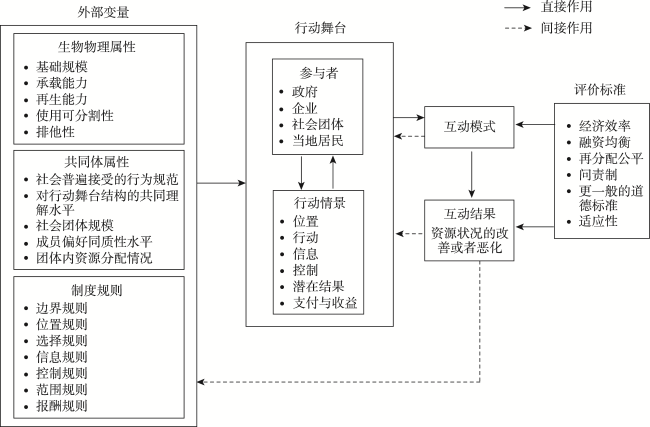
表1 中国生态补偿制度变迁的行动舞台Table 1 The factors of China’s ecological compensation system changes |
| 情景变量 | 具体内涵 |
|---|---|
| 参与者 | 中央政府、地方政府、企业、居民等 |
| 位置(职位) | 所有者、监管者、代理人、受益者、污染者、保护者等 |
| 行动 | 政策供给、生态保护和修复、自然资源使用和供给、货币补偿、项目补偿等 |
| 信息 | 自然资源产权信息、环境质量信息、生态产品服务稀缺程度及其价格信息等 |
| 控制 | 各主体参与生态补偿政策设计、实施、评估的渠道;自身选择空间和议价能力 |
| 潜在结果 | 生态环境和自然资源的损耗或增加 |
| 收益与支付 | 依据自身行为获得的奖励、补偿、收入等抑或缴纳的税、费、罚金等 |
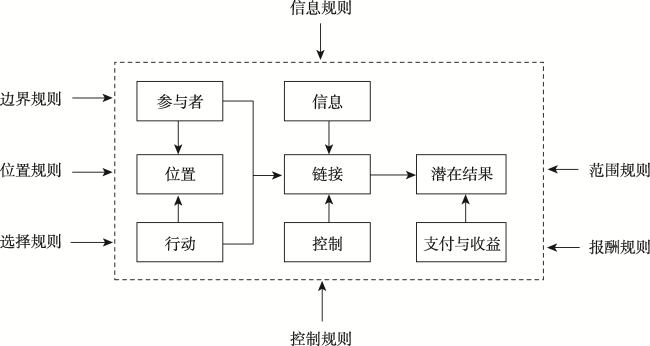
表2 生态补偿制度探索时期的制度规则Table 2 Institutional rules during the exploration period of the ecological compensation system |
| 制度规则 | 规则应用于政府 | 规则应用于企业 |
|---|---|---|
| 边界规则 | 自然资源国家所有 | 参与身份被政府分配 |
| 位置规则 | 保护者、监管者 | 污染者 |
| 选择规则 | ①成立环保相关部门;②排污申报登记和排污许可证;③征收排污费、资源税及补偿费等;④中央财政专项转移支付用于环保工程;⑤财政奖励和行政处罚 | ①遵循“三同时”制度要求;②技术升级减少污染或缴纳排污费、资源税、资源补偿费等 |
| 信息规则 | ①环保编入国民经济规划;②环境评价 | 无法识别 |
| 控制规则 | 政府主导各项决策 | 政府主导下参与 |
| 范围规则 | 资源领域保护涉及森林、草原、矿山矿产、水资源等 | 允许的污染排放范围 |
| 报酬规则 | ①部分补偿资金用于环境保护;②环境质量行政领导负责;③环境保护纳入地方官员的政绩考核 | 超额排污按排污标准付费 |
表3 生态补偿制度形成时期的制度规则Table 3 Institutional rules during the formation period of the ecological compensation system |
| 制度规则 | 规则应用于政府 | 规则应用于企业 | 规则应用于居民 |
|---|---|---|---|
| 边界规则 | 自然保护区、主体功能区规划 | 自然资源有偿使用制度 | 居住地 |
| 位置规则 | 补偿者、受偿者 | 补偿者 | 受偿者 |
| 选择规则 | 新增:①重点生态功能区转移支付;②制定生态补偿条例;③建立中央森林生态效益补偿基金制度;④建立矿山环境治理和生态恢复责任制度;⑤地方政府承担部分补偿基金 | ①为自然资源使用向政府付费;②开采矿产资源,缴纳资源税、补偿费和生态恢复保证金 | 按照政府指定的方式改变生产方式或进行环境保护,获得补偿、补助和奖励 |
| 信息规则 | 较之上一阶段无新增 | ||
| 控制规则 | 政府主导各项政策的决策、制定和实施 | ||
| 范围规则 | 矿产资源开采、森林、草原、水土保持、国家重点生态功能区等重点领域 | ①最低限度的环境指标;②生态保护相关规划确定的区域 | 森林、草原等区域 |
| 报酬规则 | 新增:①地方政府按照事权划分建立生态补偿基金;②国家重点功能生态区生态EI指数与下年度转移支付挂钩 | 排污费标准、资源税、生态恢复保证金 | 基于保护投入成本和机会成本的补偿、补助 |
表4 生态补偿制度完善时期的制度规则Table 4 Institutional rules during the improvement period of the ecological compensation system |
| 制度规则 | 规则应用于政府 | 规则应用于企业、居民等 |
|---|---|---|
| 边界规则 | 国家公园、重点领域、重点生态功能区 | 自然资源有偿使用制度、资产产权确权 |
| 位置规则 | 受益者、保护者 | 受益者、保护者 |
| 选择规则 | ①综合补偿制度;②自然资源统一确权;③分类补偿制度;④河长制;⑤引导社会各方参与,推进市场化、多元化补偿实践;⑥财税政策工具;⑦完善市场交易机制;⑧拓展市场化融资渠道;⑨推进法治建设 | ①承包和经营集体林;②牧民、渔民、农民按照政府指定的方式改变生产方式,领取补助和奖励;③用水权、排污权、碳排放权等环境权交易;④绿色股票指数、碳排放权期货交易、绿色信贷、绿色债券、绿色保险产品等 |
| 信息规则 | ①生态保护成效的动态监测与评估考核;②生态补偿统计指标和信息发布制度 | ①绿色产品标准、认证、标识体系;②资源环境价格市场体系 |
| 控制规则 | 政府主导 | 市场有效调节、社会有序参与 |
| 范围规则 | ①生态保护红线、永久基本农田、城镇开发边界;②7个重点领域、禁限开发区和重点生态功能区全覆盖,生态补偿制度与当地经济社会发展相适应 | 生态服务产品支付者对生态环境质量的要求 |
| 报酬规则 | 新增:①依据保护成本、机会成本和生态服务价值确定补偿水平;②综合补偿力度与财政能力相匹配、与推进基本公共服务均等化相衔接;③推动各方落实主体责任,加强考评结果运用,严格生态环境损害责任追究的生态保护考评体系 | ①以保护成本支付为主要依据的生态补偿标准;②生态服务产品的市场价格或影子价格 |
| [1] |
李国平, 刘生胜. 中国生态补偿40年: 政策演进与理论逻辑[J]. 西安交通大学学报(社会科学版), 2018, 38(6): 101-112.
[
|
| [2] |
耿翔燕, 李文轩. 中国流域生态补偿研究热点及趋势展望[J]. 资源科学, 2022, 44(10): 2153-2163.
[
|
| [3] |
马军旗, 乐章. 黄河流域生态补偿的水环境治理效应: 基于双重差分方法的检验[J]. 资源科学, 2021, 43(11): 2277-2288.
[
|
| [4] |
王亚华. 对制度分析与发展(IAD)框架的再评估[J]. 公共管理评论, 2017, (1): 3-21.
[
|
| [5] |
|
| [6] |
|
| [7] |
|
| [8] |
|
| [9] |
|
| [10] |
|
| [11] |
|
| [12] |
|
| [13] |
|
| [14] |
|
| [15] |
|
| [16] |
|
| [17] |
|
| [18] |
|
| [19] |
|
| [20] |
李文钊. 公共行政的认知选择、公共选择与制度选择: 兼论奥斯特罗姆夫妇对公共行政学科的知识贡献[J]. 中国行政管理, 2021, (6): 63-71.
[
|
| [21] |
柴盈, 曾云敏. 奥斯特罗姆对经济理论与方法论的贡献[J]. 经济学动态, 2009, (12): 100-103.
[
|
| [22] |
李文钊. 制度分析与发展框架: 传统、演进与展望[J]. 甘肃行政学院学报, 2016, (6): 4-18.
[
|
| [23] |
王群. 奥斯特罗姆制度分析与发展框架评介[J]. 经济学动态, 2010, (4): 137-142.
[
|
| [24] |
王亚华, 舒全峰. 公共事物治理的集体行动研究评述与展望[J]. 中国人口·资源与环境, 2021, 31(4): 118-131.
[
|
| [25] |
王庆. 公地治理理论研究新进展[J]. 经济学动态, 2020, (11): 131-144.
[
|
| [26] |
林婉琳. 内生的制度运行和变迁: 博弈论的分析视角[J]. 北京大学学报(哲学社会科学版), 2023, 60(4): 158-166.
[
|
| [27] |
丁日佳, 丁文均. 基于制度分析与发展框架的环境保护税多元协同治理研究[J]. 税务研究, 2020, (7): 116-120.
[
|
| [28] |
王雨蓉, 陈利根, 陈歆, 等. 制度分析与发展框架下流域生态补偿的应用规则: 基于新安江的实践[J]. 中国人口·资源与环境, 2020, 30(1): 41-48.
[
|
| [29] |
司林波, 裴索亚. 跨行政区生态环境协同治理的绩效问责过程及镜鉴: 基于国外典型环境治理事件的比较分析[J]. 河南师范大学学报(哲学社会科学版), 2021, 48(2): 16-26.
[
|
/
| 〈 |
|
〉 |