Received date: 2022-03-16
Revised date: 2022-08-10
Online published: 2022-11-25
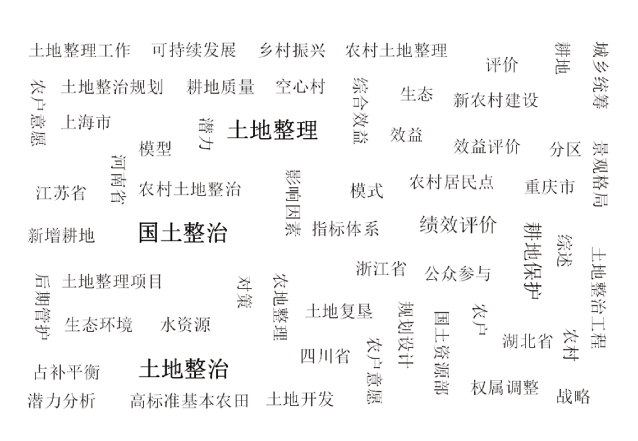
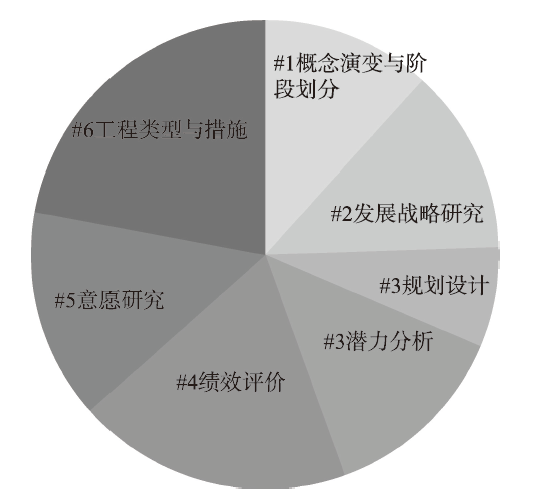
The purpose of this study is to explore and identify the disciplinary knowledge base of China’s territorial consolidation and rehabilitation research over the years, reveal the research status, explore the deficiencies of existing research, and propose future research directions in this field. First, the word cloud of research hotspots was obtained by using high-frequency keywords and it indicates that this field is composed of seven thematic modules: concept evolution and stage division, development strategy research, consolidation plan, potential analysis, performance evaluation, willingness research, and project types and measures. Second, through content analysis of highly cited literature, the study found that: (1) Existing research mainly focuses on engineering measures and performance evaluation, and does not pay enough attention to the ecological restoration of territorial space, lacks empirical studies on comprehensive land improvement in the whole area, and most of their conclusions are relevant to the typical project areas but the mathematical model and evaluation system obtained have a narrow scope of application. (2) Existing research mainly focuses on the project scale and the administrative units. The focus is often on the comparative analysis of the horizontal data of the land surface. The selected time points are few, and the research scale is relatively simple. (3) Existing work overemphasizes empirical research, and at the same time pays insufficient attention to the field of humanities and social sciences in territorial consolidation and rehabilitation. When examining the prospects of such research, research themes, research scales, and research methods were considered: (1) Emphasize ecological protection, restoration, and management work, actively explore the regional unified quantitative reference system, improve theoretical research, and build a complete knowledge system. (2) Pay attention to the dynamic development in the vertical direction, explore new research perspectives, and carry out long time series and multi-dimensional spatial scale research. (3) Pay more attention to the integration of engineering technology and humanistic management, and adopt qualitative and quantitative research methods to deepen the research on the benefits after consolidation and rehabilitation. Finally, regarding the development of territorial consolidation and rehabilitation in the future, we recommend to strengthen the application of information engineering and technology, enhance the legal status of territorial consolidation and rehabilitation, broaden multiple financing channels, integrate key technologies and operational guidelines, and carry out special technical research on landscape ecology. This research can provide a useful reference for grasping the hotspots and development status of China’s territorial consolidation and rehabilitation research.
Key words: land Consolidation; knowledge system; research progress; outlook; China
ZHENG Rongbao , HUANG Yongjian , CHEN Meizhao , MA Xiaoning , CHEN Jing , TANG Xiaolian . Research progress of land consolidation in China[J]. Resources Science, 2022 , 44(9) : 1785 -1798 . DOI: 10.18402/resci.2022.09.04
表1 国土整治研究未来发展方向Table 1 Future development directions of territorial consolidation and rehabilitation research |
| 研究主题 | 研究尺度 | 研究方法 | |
|---|---|---|---|
| 研究现状 | 关于绩效评价、影响因素等的研究成果较为丰富 | 以项目尺度和行政区尺度为主 | 多采用二手大样本数据;研究对象集中于经济率先发展地区;以定量实证型文献为主 |
| 研究不足 | 1.较少关注生态保护修复、管护技术的发展 2.忽视项目区之间的关联性 3.国土空间生态修复响应不足 | 1.空间尺度单一 2.时间点选取较少 3.缺乏多尺度研究 | 1.关注工程技术方法,人文社科领域关注较少 2.定性研究相对较少 |
| 发展方向 | 1.重视整治后的可持续发展问题 2.加强国土整治与生态修复的专题研究 3.建立地区统一的定量参照体系 4.从“国土空间”尺度把握土地整治发展进程中的角色转变及其所带来的影响 | 1.关注垂直方向的动态发展 2.进行长序列研究 3.探索新的研究尺度,开展多尺度研究 | 1.注重与人文管理领域的结合,开展多学科、多模型、多视角和多源数据研究 2.采取定性和定量相结合的研究方法进行全面研究 |
| [1] |
龙花楼, 张英男, 屠爽爽. 论土地整治与乡村振兴[J]. 地理学报, 2018, 73(10): 1837-1849.
[
|
| [2] |
国土资源部. 全国土地整治规划(2011-2015年)[EB/OL]. (2012-03-27) [2021-11-04]. http://law168.com.cn/doc/view?id=163986.
[Ministry of Land and Resources of the People’s Republic of China. National Land Consolidation Planning (2011-2015)[EB/OL]. (2012-03-27) [2021-11-04]. http://law168.com.cn/doc/view?id=163986.]
|
| [3] |
国土资源部. 全国土地整治规划(2016-2020年)[EB/OL]. (2017-05-17) [2021-11-04]. https://www.ndrc.gov.cn/fggz/fzzlgh/gjjzxgh/201705/t20170517_1196769.html?code=&state=123.
[Ministry of Land and Resources of the People’s Republic of China. National Land Consolidation Planning (2016-2020)[EB/OL]. (2017-05-17) [2021-11-04]. https://www.ndrc.gov.cn/fggz/fzzlgh/gjjzxgh/201705/t20170517_1196769.html?code=&state=123.]
|
| [4] |
夏方舟, 杨雨濛, 严金明. 中国国土综合整治近40年内涵研究综述: 阶段演进与发展变化[J]. 中国土地科学, 2018, 32(5): 78-85.
[
|
| [5] |
张庶, 金晓斌, 魏东岳, 等. 土地整治项目绩效评价指标设置和测度方法研究综述[J]. 中国土地科学, 2014, 28(7): 90-96.
[
|
| [6] |
吴次芳, 费罗成, 叶艳妹. 土地整治发展的理论视野、理性范式和战略路径[J]. 经济地理, 2011, 31(10): 1718-1722.
[
|
| [7] |
严金明, 夏方舟, 李强. 中国土地综合整治战略顶层设计[J]. 农业工程学报, 2012, 28(14): 1-9.
[
|
| [8] |
唐秀美. 农村土地整治助力乡村振兴战略实施: 《乡村振兴视域中的农村土地整治》评介[J]. 中国土地科学, 2020, 34(3): 101-104.
[
|
| [9] |
王万茂. 土地整理的产生、内容和效益[J]. 中国土地科学, 1997, (1): 62-65.
[
|
| [10] |
陆红生, 韩桐魁. 土地管理学的研究对象和学科性质[C]. 中国土地问题研究: 中国土地学会第三次会员代表大会暨庆祝学会成立十周年学术讨论会论文集, 1990.
[
|
| [11] |
龙花楼. 论土地整治与乡村空间重构[J]. 地理学报, 2013, 68(8): 1019-1028.
[
|
| [12] |
郭文华. 耕地保护向数量质量生态并重转变[J]. 国土资源情报, 2012, (12): 35-38.
[
|
| [13] |
自然资源部. 省级国土空间生态修复规划编制技术规程(试行)[EB/OL]. (2020-01-17) [2021-11-04]. http://gi.mnr.gov.cn/202001/t20200120_2498397.html.
[Ministry of Natural Resources, People’s Republic of China. Technical Regulations for the Preparation of Provincial Land Spatial Ecological Restoration Planning (Trial Implementation)[EB/OL]. (2020-01-17) [2021-11-04]. http://gi.mnr.gov.cn/202001/t20200120_2498397.html.]
|
| [14] |
王军, 钟莉娜. 中国土地整治文献分析与研究进展[J]. 中国土地科学, 2016, 30(4): 88-97.
[
|
| [15] |
刘彦随. 科学推进中国农村土地整治战略[J]. 中国土地科学, 2011, 25(4): 3-8.
[
|
| [16] |
唐秀美, 潘瑜春, 刘玉, 等. 基于四象限法的县域高标准基本农田建设布局与模式[J]. 农业工程学报, 2014, 30(13): 238-246.
[
|
| [17] |
|
| [18] |
严金明, 夏方舟, 马梅. 中国土地整治转型发展战略导向研究[J]. 中国土地科学, 2016, 30(2): 3-10.
[
|
| [19] |
胡振琪, 余洋, 龙精华. 2013年土地科学研究重点进展评述及2014年展望: 土地整治分报告[J]. 中国土地科学, 2014, 28(2): 13-21.
[
|
| [20] |
欧名豪. 土地利用规划体系研究[J]. 中国土地科学, 2003, (5): 41-44.
[
|
| [21] |
王万茂. 规划的本质与土地利用规划多维思考[J]. 中国土地科学, 2002, (1): 4-6.
[
|
| [22] |
田玉福, 范金梅, 覃莉, 等. 市级土地整治规划研究: 以江苏省扬州市研究[J]. 资源与产业, 2010, 12(6): 90-94.
[
|
| [23] |
王慎敏, 金晓斌, 张培刚, 等. 江西南康市地形破碎区土地整理规划设计: 以凤岗镇土地整理项目为例[J]. 资源科学, 2008, 30(2): 235-240.
[
|
| [24] |
周慷慨, 罗海波, 赵晨晨, 等. 生态农业发展背景下喀斯特山区土地整理规划设计: 以贵州省遵义县尚嵇镇为例[J]. 贵州农业科学, 2012, 40(9): 216-221.
[
|
| [25] |
陈明星, 梁龙武, 王振波, 等. 美丽中国与国土空间规划关系的地理学思考[J]. 地理学报, 2019, 74(12): 2467-2481.
[
|
| [26] |
董祚继. 新时代国土空间规划的十大关系[J]. 资源科学, 2019, 41(9): 1589-1599.
[
|
| [27] |
贾铠阳, 乔伟峰, 王亚华, 等. 乡村振兴背景下村域尺度国土空间规划: 认知、职能与构建[J]. 中国土地科学, 2019, 33(8): 16-23.
[
|
| [28] |
廖威, 苗华楠, 毛斐, 等. “多规融合”的宁波市域国土空间规划编制探索[J]. 规划师, 2017, 33(7): 126-131.
[
|
| [29] |
张慧, 付梅臣, 徐学华, 等. 土地整理项目规划设计环境影响评价[J]. 江西农业大学学报, 2007, (4): 650-654.
[
|
| [30] |
刘新卫, 梁梦茵, 郧文聚, 等. 地方土地整治规划实施的探索与实践[J]. 中国土地科学, 2014, 28(12): 4-9.
[
|
| [31] |
张沛沛, 梁明星, 陈磊, 等. 县级土地整治规划环境影响评价研究[J]. 浙江农业学报, 2014, 26(4): 1037-1041.
[
|
| [32] |
乔蕻强, 程文仕, 程东林, 等. 基于DPSIR模型的土地整治规划环境影响评价[J]. 水土保持通报, 2017, 37(2): 308-312.
[
|
| [33] |
鲍海君, 徐保根. 生态导向的土地整治区空间优化与规划设计模式: 以嘉兴市七星镇为例[J]. 经济地理, 2009, 29(11): 1903-1906.
[
|
| [34] |
李红举, 林坚, 阎红梅. 基于农田景观安全格局的土地整理项目规划[J]. 农业工程学报, 2009, 25(5): 217-222.
[
|
| [35] |
李灿. 土地整治规划思路待变[J]. 中国土地, 2016, (4): 38-40.
[
|
| [36] |
杨艳平, 罗福周, 王博俊. 基于朴门设计的煤矿废弃地生态修复规划研究[J]. 自然资源学报, 2018, 33(6): 1080-1091.
[
|
| [37] |
刘涛, 赵明, 公云龙. 市级国土空间总体规划中生态修复规划路径探讨: 以徐州市为例[J]. 规划师, 2021, 37(15): 30-35.
[
|
| [38] |
崔婧琦, 陆柳莹, 王聪. 国土空间生态修复规划策略与青岛实践[J]. 规划师, 2021, 37(2): 11-17.
[
|
| [39] |
宋伟, 陈百明, 姜广辉. 中国农村居民点整理潜力研究综述[J]. 经济地理, 2010, 30(11): 1871-1877.
[
|
| [40] |
曲衍波, 张凤荣, 宋伟, 等. 农村居民点整理潜力综合修正与测算: 以北京市平谷区为例[J]. 地理学报, 2012, 67(4): 490-503.
[
|
| [41] |
朱晓华, 陈秧分, 刘彦随, 等. 空心村土地整治潜力调查与评价技术方法: 以山东省禹城市为例[J]. 地理学报, 2010, 65(6): 736-744.
[
|
| [42] |
唐秀美, 陈百明, 张蕾娜, 等. 新形势下全国农用地整理潜力测算方法探讨[J]. 中国土地科学, 2011, 25(9): 67-71.
[
|
| [43] |
冯广京. 力争耕地量和质的动态平衡: 全国土地管理工作座谈会采访札记之一[J]. 中国土地, 1996, (2): 6-7.
[
|
| [44] |
李卓倩, 赵贤妤, 张莉坤, 等. 基于LESA综合评价模型的耕地质量定级方法[J]. 水土保持研究, 2020, 27(4): 363-367.
[
|
| [45] |
赵瑞, 吴克宁, 陈甜倩. 面向土地整治的耕地质量评价优化[J]. 生态学杂志, 2019, 38(8): 2433-2441.
[
|
| [46] |
王炜, 杨晓东, 曾辉, 等. 土地整理综合效益评价指标与方法[J]. 农业工程学报, 2005, (10): 70-73.
[
|
| [47] |
甘晓林, 张军, 王乐乐. 新农村建设中的土地整理综合效益评价指标体系研究[J]. 湖北农业科学, 2012, 51(21): 4928-4932.
[
|
| [48] |
黄辉玲, 吴次芳, 张守忠. 黑龙江省土地整治规划效益分析与评价[J]. 农业工程学报, 2012, 28(6): 240-246.
[
|
| [49] |
杨斌, 王占岐, 胡学东. 基于改进可拓物元模型的土地整治项目绩效评价及影响因素分析[J]. 中国土地科学, 2018, 32(7): 66-73.
[
|
| [50] |
谢向向, 张安录, 杨蒙. 土地整治绩效空间差异及投入优先序: 以湖北省为例[J]. 资源科学, 2016, 38(11): 2058-2071.
[
|
| [51] |
金晓斌, 周寅康, 李学瑞, 等. 中部土地整理区土地整理投入产出效率评价[J]. 地理研究, 2011, 30(7): 1198-1206.
[
|
| [52] |
罗文斌, 吴次芳, 吴一洲. 基于物元模型的土地整理项目绩效评价方法与案例研究[J]. 长江流域资源与环境, 2011, 20(11): 1321-1326.
[
|
| [53] |
杨昭熙, 杨钢桥, 汪文雄, 等. 社会资本视域下农民参与农地整治项目的行为机理[J]. 水土保持研究, 2017, 24(3): 288-294.
[
|
| [54] |
孙前路, 房可欣, 刘天平. 社会规范、社会监督对农村人居环境整治参与意愿与行为的影响: 基于广义连续比模型的实证分析[J]. 资源科学, 2020, 42(12): 2354-2369.
[
|
| [55] |
路荣荣, 赵微, 陆昊天, 等. 农民参与农地整理后期管护的态度与意愿研究: 基于“驱动力-状态-响应”的分析框架[J]. 中国土地科学, 2018, 32(5): 71-77.
[
|
| [56] |
|
| [57] |
赵微, 周惠, 杨钢桥, 等. 农民参与农地整理项目建后管护的意愿与行为转化研究: 以河南邓州的调查为例[J]. 中国土地科学, 2016, 30(3): 55-62.
[
|
| [58] |
徐保根, 杨雪锋, 陈佳骊. 浙江嘉兴市“两分两换”农村土地整治模式探讨[J]. 中国土地科学, 2011, 25(1): 37-42.
[
|
| [59] |
郧文聚, 杨晓艳, 程锋. 大都市特色的农村土地整治: 上海模式[J]. 上海国土资源, 2012, 33(3): 21-25.
[
|
| [60] |
张正峰, 吴沅箐, 杨红. 两类农村居民点整治模式下农户整治意愿影响因素比较研究[J]. 中国土地科学, 2013, 27(9): 85-91.
[
|
| [61] |
张凤荣, 周建, 徐艳. 黑土区剥离建设占用耕地表土用于农村居民点复垦的技术经济分析[J]. 土壤通报, 2015, 46(5): 1034-1039.
[
|
| [62] |
信桂新, 杨朝现, 陈荣蓉, 等. 丘陵山区农村居民点利用及其复垦技术集成[J]. 西南大学学报(自然科学版), 2013, 35(12): 88-96.
[
|
| [63] |
王英辉, 陈学军. 金属矿山废弃地生态恢复技术[J]. 金属矿山, 2007, (6): 4-7.
[
|
| [64] |
武强, 刘宏磊, 陈奇, 等. 矿山环境修复治理模式理论与实践[J]. 煤炭学报, 2017, 42(5): 1085-1092.
[
|
| [65] |
韩霁昌, 刘彦随, 罗林涛. 毛乌素沙地砒砂岩与沙快速复配成土核心技术研究[J]. 中国土地科学, 2012, 26(8): 87-94.
[
|
| [66] |
|
| [67] |
|
| [68] |
王新静, 胡振琪, 李恩来, 等. 土地复垦工程中覆土、衬砌及路面厚度的无损检测[J]. 农业工程学报, 2013, 29(9): 231-238.
[
|
| [69] |
王帅红, 孙泰森, 周伟, 等. 黄土丘陵沟壑区煤矿沉陷耕地复垦[J]. 农业工程学报, 2011, 27(9): 299-304.
[
|
| [70] |
赵艳玲, 胡振琪. 未稳沉采煤沉陷地超前复垦时机的计算模型[J]. 煤炭学报, 2008, 33(2): 157-161.
[
|
| [71] |
林忆南, 金晓斌, 郭贝贝, 等. 陇东台塬区双垄全膜集雨沟播土地整治模式研究[J]. 中国土地科学, 2014, 28(12): 56-62.
[
|
| [72] |
自然资源部. 基于自然的解决方案全球标准中文版及中国实践典型案例发布[EB/OL]. (2021-06-24) [2021-11-04]. https://www.yudu.gov.cn/ydxxxgk/c100264n/202107/91c634935478422aaf32e98b600e4625.shtml.
[Ministry of Natural Resources, People’s Republic of China. The Global Standard for Nature-Based Solutions Chinese Edition and the Release of Typical Cases of Chinese Practice[EB/OL]. (2021-06-24) [2021-11-04]. https://www.yudu.gov.cn/ydxxxgk/c100264n/202107/91c634935478422aaf32e98b600e4625.shtml.]
|
| [73] |
董祚继, 韦艳莹, 任聪慧, 等. 面向乡村振兴的全域土地综合整治创新: 公共价值创造与实现[J]. 资源科学, 2022, 44(7): 1305-1315.
[
|
| [74] |
魏秀菊, 胡振琪, 何蔓. 土地整理可能引发的生态环境问题及宏观管理对策[J]. 农业工程学报, 2005, (1): 127-130.
[
|
/
| 〈 |
|
〉 |